
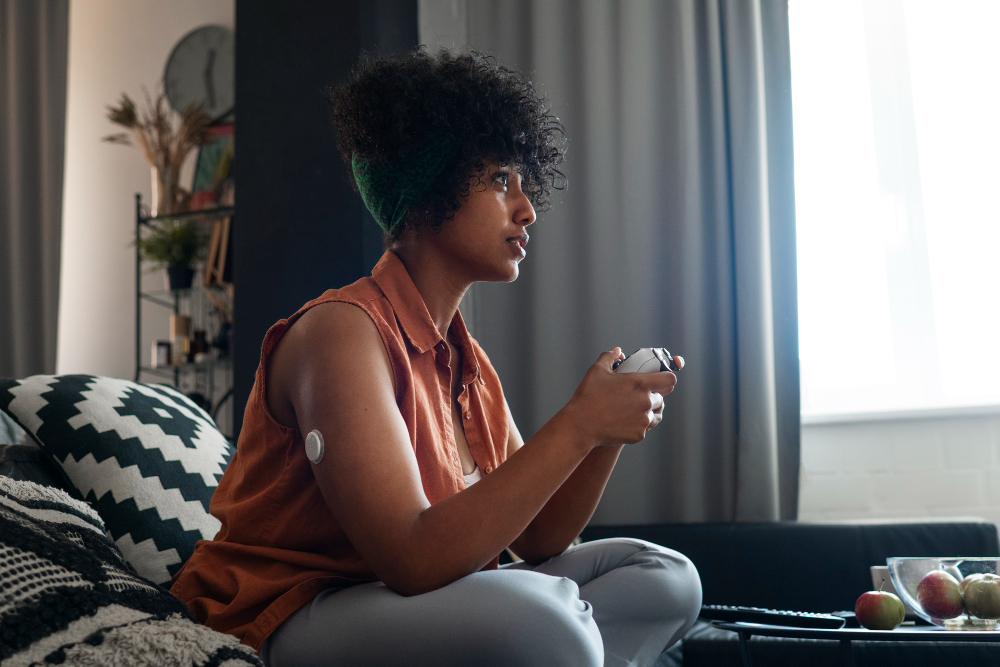
What Is Continuous Glucose Monitoring (CGM)?
Continuous glucose monitoring, or CGM, is a way to track blood sugar levels all day and night. Unlike finger-prick tests, CGM gives real-time glucose tracking. This means you can see your sugar levels at any moment. Many people with diabetes use CGM to manage their health better. According to the CDC, CGM can help spot patterns and prevent sudden highs or lows.
How Does CGM Work?
CGM uses a small sensor placed under the skin. The sensor measures glucose in the fluid between your cells. Then, it sends this information to a device or smartphone. Some systems alert you if your sugar is too high or low. Because the sensor checks levels every few minutes, you get a complete picture of your glucose changes.
Benefits of CGM for Diabetes Management
There are many benefits to using CGM for diabetes:
Moreover, studies show that CGM helps people keep their blood sugar in a safer range.
Who Should Consider CGM?
Not everyone with diabetes needs CGM. However, it can help:
Still, your doctor can help decide if CGM is right for you.
How to Use a CGM Device
Using a CGM device is simple. First, you place the sensor under your skin, usually on your belly or arm. Next, the sensor connects to a reader or your phone. Some devices need you to change the sensor every 7 to 14 days. Always follow the instructions from your device maker. For best results, check your readings often and respond to alerts quickly.
Common Challenges and Tips for Success
While CGM is helpful, you may face some challenges:
To succeed, keep your skin clean before placing the sensor. Also, check your device often for updates. If you get odd readings, confirm with a finger-prick test. Over time, using CGM will feel easier.
Safety, Accuracy, and Limitations
CGM devices are safe for most people. Yet, they may not always be 100% accurate. For example, rapid changes in blood sugar can cause delays in readings. Some foods or medicines may also affect results. Therefore, always use CGM as a guide, not a replacement for medical advice. If you notice symptoms that do not match your CGM, check with a finger-prick test.
Lifestyle Guidance for CGM Users
Living with CGM can help you make better choices. For instance, you can see how foods or exercise affect your sugar. Try to:
With these habits, you can use CGM to improve your health.
Prevention of Complications with CGM
Because CGM tracks your sugar all day, it helps prevent serious problems. For example, you can avoid very low or high blood sugar. Over time, this lowers your risk of heart, eye, and kidney issues. According to the WHO, good blood sugar control is key to preventing diabetes complications. CGM makes this easier for many people.
Conclusion: Take Charge of Your Diabetes
Continuous glucose monitoring gives you real-time information about your health. With CGM, you can make smarter choices and avoid many problems. Consult a healthcare specialist to see if continuous glucose monitoring is right for you.